Free Logic Puzzle Games Like Sudoku – Brain-Boosting Alternatives Online
- By : Levzver
- Category : Logic Puzzle Games, Similar games, Sudoku Games, Sudoku Puzzles
- Tags: Free, Free Logic Puzzle Games Like Sudoku, Logic, Puzzle Games, Sudoku
If you enjoy AARP Sudoku, chances are you love logic-based challenges that stimulate your brain without overwhelming complexity. Sudoku is a timeless classic, but it’s far from the only puzzle game that sharpens reasoning skills. Fortunately, there are many free logic puzzle games online that offer similar mental benefits while introducing fresh mechanics and new ways of thinking.
Logic puzzles work because they encourage pattern recognition, memory retention, and structured thinking. Each puzzle presents a problem that can be solved step by step using logic rather than guesswork. If you solve Sudoku regularly, exploring alternative logic games can strengthen different cognitive pathways while keeping the experience engaging and enjoyable.
Here are some of the best free logic puzzle games like Sudoku you can try today.
1. KenKen
:contentReference[oaicite:0]{index=0} combines arithmetic with Sudoku-style grids. Instead of simply placing numbers 1 through 9, players must also solve small math equations inside outlined boxes, adding an extra layer of complexity.
Why it’s great:
-
Encourages both logical reasoning and basic math skills
-
Available in multiple grid sizes
-
Provides a deeper challenge without being overwhelming
If AARP Sudoku starts to feel too easy, KenKen introduces new rules that require more careful thinking while still maintaining a familiar grid-based structure.
2. Kakuro
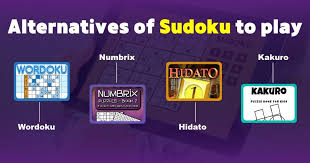
:contentReference[oaicite:1]{index=1} is often described as a blend between crossword puzzles and Sudoku. Instead of filling numbers into a uniform grid, players use given sums to determine which numbers belong in each section.
Key benefits:
-
Strengthens arithmetic and addition skills
-
Maintains a clean, grid-based layout
-
Delivers a similar sense of satisfaction when completed
It’s perfect for players who enjoy structured logic but want something slightly different from traditional Sudoku, especially if they like working with numbers in a more flexible way.
3. Nonograms
:contentReference[oaicite:2]{index=2} (also known as Picross) challenges players to fill squares based on number clues that eventually reveal a hidden picture. This adds a creative and visual element to logical problem-solving.
Why seniors enjoy it:
-
Provides a visual reward upon completion
-
Relies on pattern recognition similar to Sudoku
-
Offers a relaxing and flexible pace
While different from AARP Sudoku, Nonograms provide the same calming yet stimulating experience, making them a great addition to any puzzle routine.
4. Daily Logic Grid Puzzles
Many websites now offer logic grid puzzles that involve matching clues to solve scenarios — such as determining who owns which pet or where each person lives. These puzzles focus heavily on deduction rather than numbers.
These puzzles:
-
Encourage strong deductive reasoning skills
-
Improve concentration and attention to detail
-
Offer engaging, story-based challenges
These are ideal if you enjoy thinking through problems step by step rather than focusing purely on numbers.
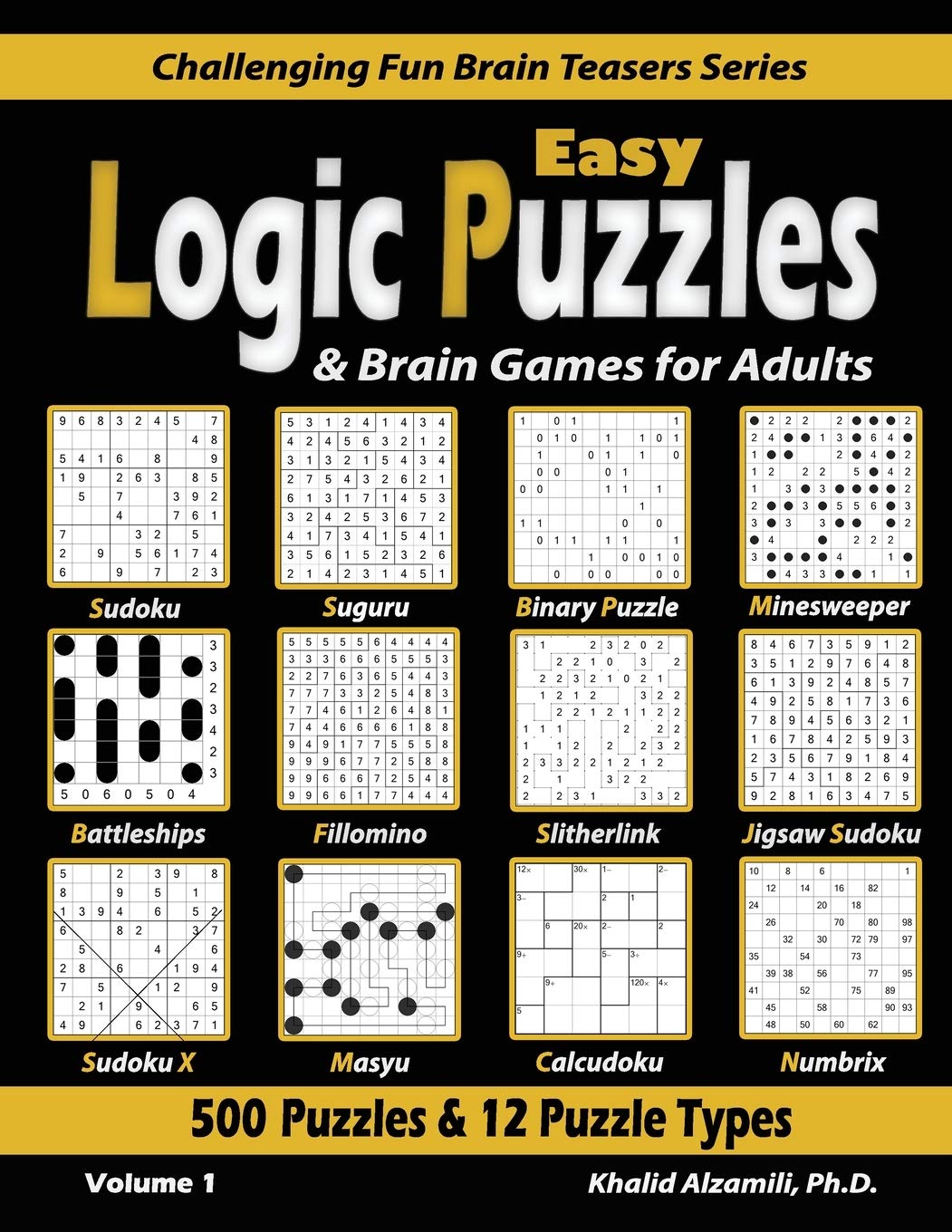
Why Try Sudoku Alternatives?
Even if AARP Sudoku is your favorite daily puzzle, rotating games can:
-
Prevent mental routine and boredom
-
Introduce new problem-solving strategies
-
Increase overall cognitive flexibility
Variety strengthens the brain. Just like physical exercise, mental workouts benefit from diversity. Different puzzle types activate different areas of thinking, helping you stay sharp and adaptable over time.
By switching between number-based, visual, and logic-grid puzzles, you create a more complete mental training routine.
Final Thoughts
Free logic puzzle games like Sudoku are widely available online, and most are beginner-friendly. If you enjoy the structure and calm experience of AARP Sudoku, trying KenKen, Kakuro, Nonograms, or logic grid puzzles can refresh your routine while keeping your brain active and engaged.
The key is consistency — even 15 minutes a day can make a meaningful difference in mental sharpness and overall cognitive health.